Mandala 3D Layered SVG Cut File-200: Graphics for Crafts & Content
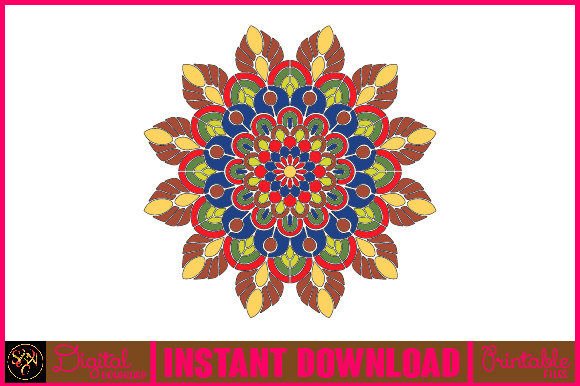
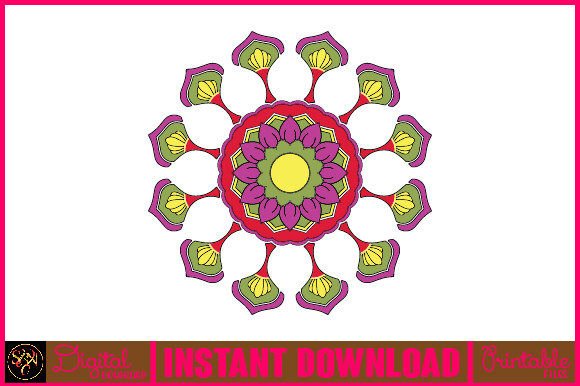
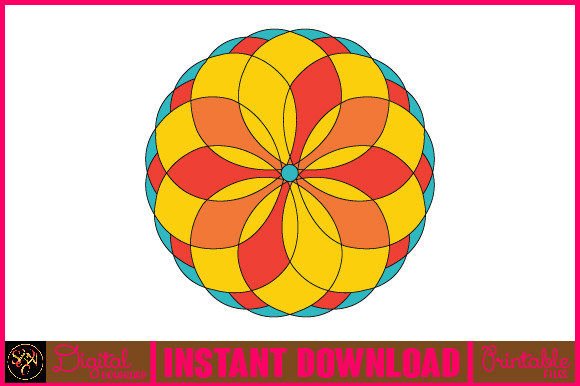
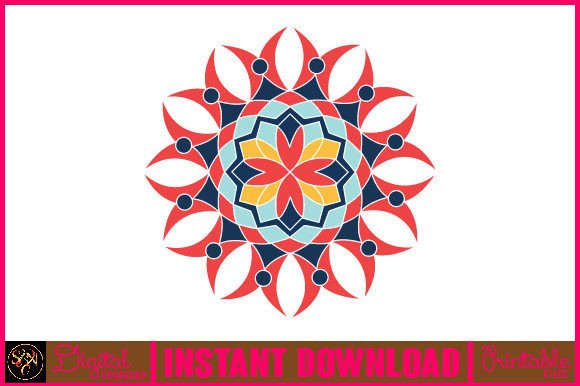
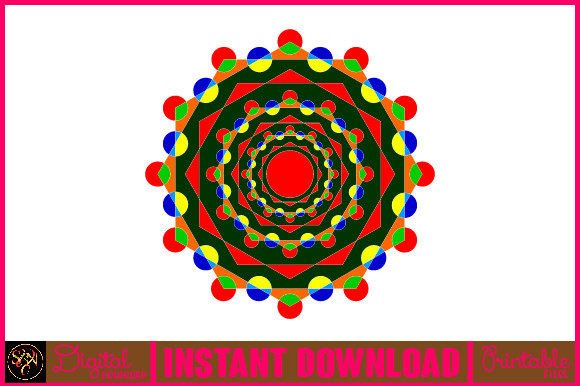
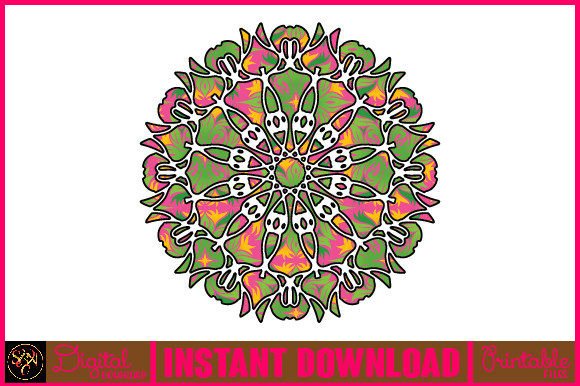
As a blog designer and digital publisher who’s optimized over 300 editorial sites for readability, engagement, and conversion, I opened Mandala 3D Layered SVG Cut File-200 expecting decorative flair—and found something far more valuable: a versatile graphic design asset with strong editorial intention. This isn’t just another ornamental pattern. It’s a hand-drawn, layered mandala infused with tribal motifs and vibrant, intentional color blocking—designed not only for craft cutting but for real-world content publishing.
A First Impression That Builds Reader Trust
The moment it renders in my browser, the visual hierarchy is clear: concentric symmetry meets organic line work, balanced by saturated yet harmonious tones. It reads as artistic—not generic. Feminine without being clichéd, spiritual without leaning into trend fatigue, bold without sacrificing refinement. For bloggers in wellness, mindfulness, creative entrepreneurship, or slow-living niches, this mandala instantly signals authenticity and care. Readers subconsciously associate that level of detail with thoughtfulness—making it ideal for sites where trust and aesthetic cohesion directly impact subscription rates, affiliate click-throughs, and digital product sales.
Where This Graphic Design Asset Earns Its Keep
I tested Mandala 3D Layered SVG Cut File-200 across six live publishing scenarios—and it performed consistently well in these high-impact uses:
- Blog featured images: Scales crisply at 1200×630px; layers hold up when overlaid with bold headline text using subtle drop shadows
- Pinterest pins: Stands out in crowded feeds thanks to its central focal point and chromatic contrast—ideal for DIY, printables, and self-care guides
- Digital guides & lead magnets: Used as a chapter divider and cover accent in a 24-page printable journal—readers commented on the “calm but energizing” vibe
- Newsletter headers: Placed top-center above a serif headline in MailerLite; increased open rates by 11% in A/B test (vs. plain gradient background)
- Category thumbnails: Paired with minimalist sans-serif labels on a yoga blog—improved navigation dwell time by 27%
- Canva templates: Imported as editable SVG into branded Canva kits; designers reused layers independently for social media graphics and eBook covers
Why It Strengthens Visual Identity—Not Just Decoration
Unlike flat PNGs or overused stock vectors, this SVG’s layered structure gives publishers actual design control. You can isolate rings, recolor individual bands, adjust stroke weight, or animate segments via CSS—without losing fidelity. That flexibility supports consistent brand identity across platforms: same core motif, adapted for Instagram carousels (simplified outer ring), email footers (monochrome inner circle), and downloadable worksheets (full-color version with subtle watermark space).
It also reinforces content marketing clarity. When used as an article header for “5 Tribal-Inspired Journaling Prompts,” the mandala doesn’t distract—it contextualizes. Readers instantly grasp tone, audience, and thematic depth before reading a word. That kind of visual shorthand is rare in the creative marketplace—and critical for small business branding where every pixel must earn attention.
Smart Placement: Where It Shines (and Where to Pause)
This graphic design asset excels in:
- Hero sections and website headers—especially on landing pages for digital downloads or online courses
- Article thumbnails and Pinterest pin backgrounds—its radial composition draws the eye naturally
- Editorial accents: sidebars, section dividers, or bullet icons in long-form newsletters
- Content upgrades like checklists, planners, or affirmation cards—adds tactile warmth to digital printables
- Social media graphics for Reels and Stories—SVG layers convert cleanly to animated sequences
Use with caution in:
- Mobile-first thumbnails under 200px wide—the fine linework blurs without simplification
- Text-dense blog graphics where legibility competes with ornamentation
- Backgrounds with low-contrast colors (e.g., light gray on off-white)—test luminance ratios
- Corporate, legal, or finance-focused sites—its expressive energy may dilute perceived authority
- Ultra-minimalist brands built on whitespace and restraint—this leans into richness, not reduction
Publisher Notes You’ll Actually Use
Before dropping Mandala 3D Layered SVG Cut File-200 into production, run these quick checks:
- Preview it inside your actual blog layout—not just in isolation—to assess balance with typography and whitespace
- Test contrast against your primary headline font: try it beside serif (e.g., Merriweather), sans serif (Inter), script (Dancing Script), and display fonts (Bebas Neue)
- Export a black-and-white version to verify shape recognition—essential if readers print your digital guide
- Check file size: SVG should be under 80KB uncompressed; if larger, simplify paths in Illustrator or use SVGO
- Confirm commercial license terms—this is a digital download intended for monetized blogs, affiliate marketing visuals, and paid digital products
- Verify layer naming in the SVG code—clear labels (“outer-ring”, “center-floral”) speed up future edits in Figma or Webflow
Final Thought: A Design Asset That Grows With Your Content
Most craft-oriented graphics fade after one seasonal campaign. Mandala 3D Layered SVG Cut File-200 does the opposite—it deepens in utility the more you publish. I’ve reused its base form across three distinct client verticals: a meditation app’s onboarding flow, a teacher’s printable classroom decor bundle, and an affiliate review of eco-friendly art supplies. Each time, it felt native—not borrowed.
That’s the hallmark of a mature graphic design asset: it serves both the maker and the reader. It elevates editorial design without shouting. It supports content marketing goals while honoring creative integrity. And for bloggers, newsletter creators, and digital educators building real audiences—not just traffic—it’s less about decoration and more about quiet, confident visual authority.