Mandala 3D Layered SVG Cut File-148: Designer's Honest Take
Some designs land in your workflow and immediately spark a dozen ideas at once. That was my experience when I first opened Mandala 3D Layered SVG Cut File-148. The hand-drawn quality hits differently than perfectly symmetrical vector mandalas you see everywhere. There is a warmth in the linework, a slightly organic rhythm to the tribal ornament details that makes it feel more like a craftsperson's drawing than a cold digital asset. For anyone working in machine embroidery design, that kind of personality matters before a single stitch lands on fabric.
I was planning a small batch of custom boutique tote bags for a local maker's market when this file landed on my screen. The client wanted something that felt bohemian but polished, colorful but not chaotic, and sturdy enough to hold visual weight on natural cotton canvas. The layered structure of Mandala 3D Layered SVG Cut File-148 immediately told me this could handle the assignment, but I needed to walk through the practical reality before committing thread and stabilizer to the project.
First Impression: A Mandala With Movement and Depth
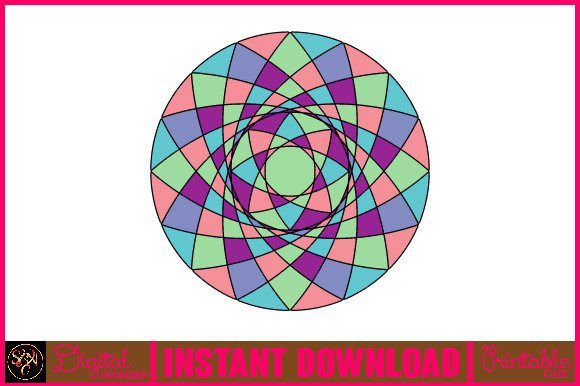
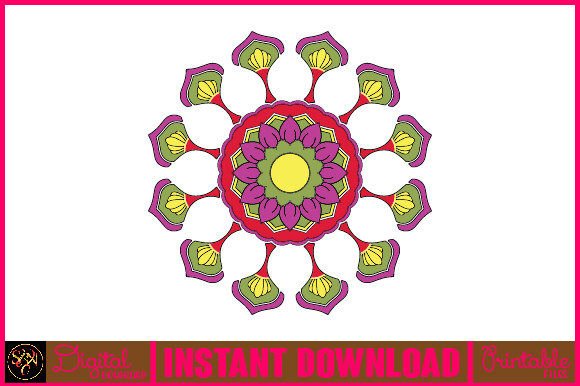
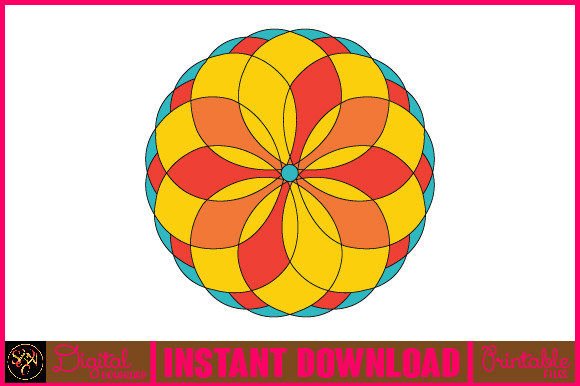
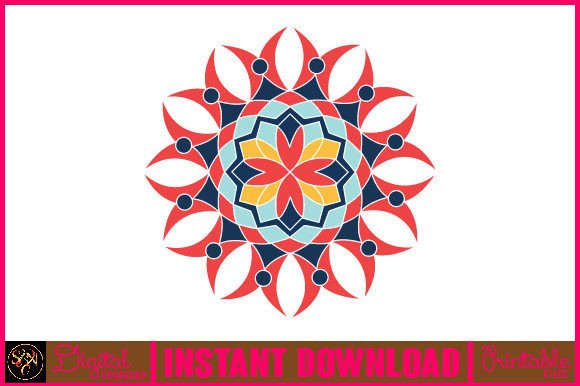
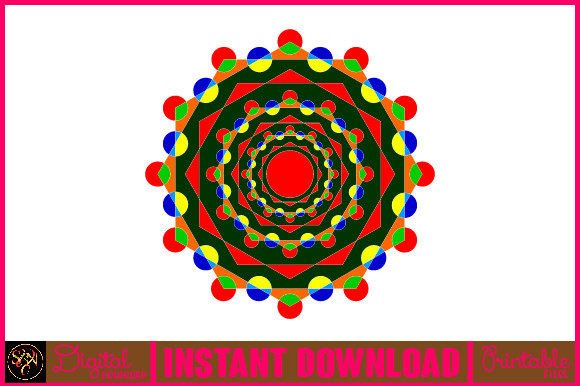
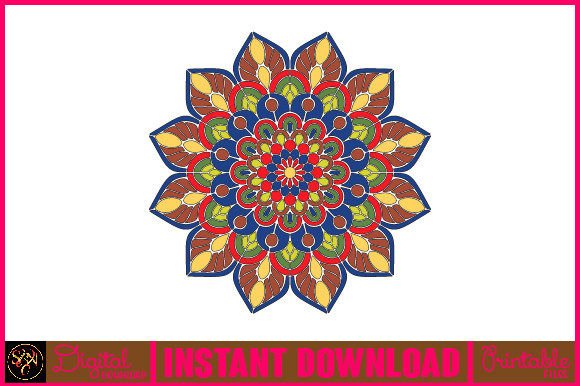
The first thing that grabs attention is how the colorful ornamental layers build from a central focal point outward. Unlike flat mandala designs, the 3D layered concept here creates genuine visual depth. The tribal ornament accents frame the circular motif without overcrowding it. This balance between intricate detail and breathing room is exactly what an embroidery file needs to translate well from screen to stitched product. Too many tiny packed elements and you risk muddy results on textured fabrics. This design gives each decorative zone enough space to read clearly.
The hand-drawn character softens the geometry. It feels less like a mathematical exercise and more like something an artisan would paint on a wall or carve into wood. For an Etsy seller or small shop owner who builds brand identity around handmade authenticity, that visual nuance is a quiet competitive edge. Customers notice when a design looks genuinely crafted versus mass-produced, even if they cannot articulate why.
Where This Design Naturally Belongs in an Embroidery Workflow
After spending time with the file, several strong use cases emerged. The mandala format naturally anchors itself as a centerpiece motif on flat, stable surfaces. I can see this working beautifully on a tote bag design placed squarely on the front panel, on the back of a sweatshirt embroidery project, or centered across a pillow cover. The circular shape creates an instant focal point that draws the eye and holds attention, the kind of design that makes a passerby stop at a craft fair booth.
For custom apparel, I would lean toward placement on areas with minimal seam interruption: the upper back of a denim jacket, the chest pocket zone on a structured apron, or centered on a canvas pouch. The layered nature also suggests experimentation with partial color fills in different thread palettes. A monochromatic version in soft sage green on natural linen would read completely differently than a vibrant multicolor stitch-out on black denim, and that versatility is a genuine asset for digital embroidery file users who serve varied customer tastes.
The design also holds promise for nursery decor and children's products, especially when color-shifted into gentler pastel ranges. A simplified version on a baby blanket corner or a small accent on a crib sheet could translate the ornamental energy into something soothing rather than busy. For holiday embroidery collections, a metallic gold or silver thread interpretation on deep winter fabrics like navy wool or burgundy fleece would feel elevated and gift-ready.
How It Performs Across Different Product Types
Not every design stretches across product categories gracefully. Based on the visual weight and detail density of Mandala 3D Layered SVG Cut File-148, here is where I would deploy it confidently and where I would pause and test carefully:
- Strong candidates: Flat tote panels, structured aprons, pillow covers, tea towels, blanket corners, canvas pouches, jacket backs, and framed hoop art for wall display
- Use with adjusted expectations: Curved cap fronts where the dome distorts the outer ring details, small clutch bags where the intricate ornament compresses into a tight space, and stretchy knit fabrics that may warp the circular symmetry under tension
- Proceed cautiously: Very small hoop sizes that force the layered details into dense packed zones, heavily textured fabrics like terry cloth or boucle that swallow fine ornament lines, and ultra-thin performance wear where stitch density could create unwanted stiffness
The tribal ornament details are among the most delicate elements in the file. On a satin stitch execution, those narrow arms and decorative notches need enough width to hold their shape without collapsing into the fill. If your digitizing software allows stitch width previews at actual size, run that check before committing to production. A design this ornamental rewards patience in the test phase.
Thinking Like a Seller: Customer Perception and Product Value
When I evaluate a design for business use, I think past the stitch-out and into how a customer receives the finished piece. A mandala carries cultural and aesthetic associations that buyers recognize instantly: intention, balance, artistry, and often a meditative quality. Mandala 3D Layered SVG Cut File-148 leans into that recognition while the hand-drawn quality and tribal ornament accents push it away from feeling like a generic stock motif. For a craft business owner building repeat customers, that distinction between "I could find this anywhere" and "this feels special" is the difference between a one-time sale and a loyal following.
The layered depth also photographs well in flat-lay product shots and styled mockups, which matters enormously for online listings. When a printable mockup or product photo shows clear dimensional structure, even at thumbnail size on a marketplace search page, click-through rates tend to improve. For Etsy seller listings or Instagram shop promotions, the design's natural contrast between open center space and detailed outer ornament creates an eye-catching composition that holds up in small mobile screens.
Practical Embroidery Designer Notes From the Worktable
Before loading this design into any production run, here are the checks I run on every new embroidery project file, and they apply squarely here:
- Test on scrap fabric first: Choose fabric that matches your final product in weight and weave. The way thread lays on quilting cotton differs noticeably from how it sits on canvas or denim.
- Review thread color contrast: The colorful nature of this mandala means adjacent thread zones need enough contrast to read as distinct layers. Test a small section in grayscale or black and white to confirm the values separate clearly.
- Inspect stitch density on small ornament details: Tribal ornament segments with narrow points can become too dense if scaled down. Look for any areas where the stitch count per millimeter might cause thread breaks or fabric puckering.
- Confirm hoop size before committing: Know the exact dimensions of the design at the scale you need. Measure your available hoop space and leave adequate margin for hooping fabric without pinching or stretching.
- Test on both light and dark backgrounds: A design that sings on natural cotton may lose half its detail on deep charcoal. Run two quick stitch samples to see how the colors and outlines perform across your typical fabric range.
- Use appropriate stabilizer: For a dense ornamental design, cutaway stabilizer on garments and tear-away on structured flat goods are solid starting points. Adjust based on fabric stretch and product use expectations.
- Check licensing terms carefully: Even if the product description states you can use the mandala for printing purposes like t-shirts, confirm that commercial embroidery use on finished products for sale is explicitly covered. If the license details are not fully spelled out in the product information, reach out to the seller and get written confirmation before listing items in your shop.
Fabric and Surface Considerations That Affect the Final Look
The relationship between a design file and the surface it lands on is never neutral. With Mandala 3D Layered SVG Cut File-148, the layered ornamental personality shifts depending on the substrate. On smooth, tightly woven cotton, expect crisp detail separation and clean outer edges. On a loosely woven linen blend, the tribal ornament accents will soften and take on a slightly rustic, broken-in character that can actually enhance the handmade appeal if that aligns with your brand aesthetic.
Stretchy fabrics deserve extra attention. A mandala depends on circular symmetry for its visual harmony, and any distortion from fabric pull under fill stitch tension can break that illusion quickly. If you are placing this on a sweatshirt or knit tee, consider a fusible backing that stabilizes the area fully before hooping. The extra step takes minutes and saves the frustration of a finished piece that looks warped after the first wear.
Dark fabrics present both opportunity and challenge. A vibrant thread palette on black or navy creates dramatic contrast that photographs beautifully and appeals strongly to boutique buyers. However, any gaps in coverage become far more visible on dark backgrounds. Check how the underlay stitching performs and whether the design needs an underlay color adjustment to prevent the dark fabric from peeking through lighter thread zones.
Where to Use Restraint and When to Go Bold
One of the most valuable skills in embroidery design work is knowing when a motif should dominate and when it should whisper. Mandala 3D Layered SVG Cut File-148 carries enough visual presence to anchor a product entirely on its own. On a tote bag or pillow cover, let it occupy the primary focal space without competing with additional decorative text or secondary graphics crowding the same plane. The tribal ornament details reward close looking, and giving them room to breathe elevates the perceived product value.
For smaller applications like an embroidered patch or a cap accent, consider whether scaling down causes the layered details to merge. If the ornament lines become thinner than your machine can cleanly execute at the target size, either enlarge the application area or simplify the design by selecting a subset of the layered elements. Not every detail needs to survive at every scale for the essence of the design to remain intact.
On products that face frequent washing, such as kitchen towels, baby items, or everyday apparel, test a wash cycle or two on your sample piece before listing. A mandala with fine ornament points may show wear sooner than a bulkier motif. Choose thread types with good colorfastness and consider a gentler wash care recommendation on your product tags to extend the life of the stitched piece.
Final Thoughts From a Working Designer's Perspective
What sets Mandala 3D Layered SVG Cut File-148 apart in a crowded marketplace of mandala graphics is the hand-drawn warmth and the thoughtful spacing of the layered ornament zones. It avoids the trap of overcomplication that plagues many tribal-inspired designs, and it offers enough structural clarity to work as a machine embroidery design asset across multiple product categories. The file asks for careful digitizing attention around the narrow ornament tips and the outer ring details, but that is standard practice for any quality ornamental work, not a flaw.
For small business owners, creative entrepreneurs, and handmade shop owners who build their product lines around designs that feel intentional and personal rather than templated, this mandala earns its place in the design library. It will not do all the work for you, and it rewards the extra test stitch and the thoughtful thread palette choice, but the finished products it produces have the kind of quiet, confident beauty that customers remember and return to purchase again.
Whether it becomes the signature motif on your bestselling tote, the centerpiece of a boutique tea towel collection, or the detail that makes a simple sweatshirt feel like a curated gift, Mandala 3D Layered SVG Cut File-148 brings enough versatility and artistic integrity to justify the careful setup it deserves. Run your tests, check your license, and let the layered ornament do what good design always does: make the finished product feel more valuable than the sum of its materials.