Mandala 3D Layered SVG Cut File-111
First Impressions: A Vibrant, Hand-Drawn Spirit with Real Embroidery Potential
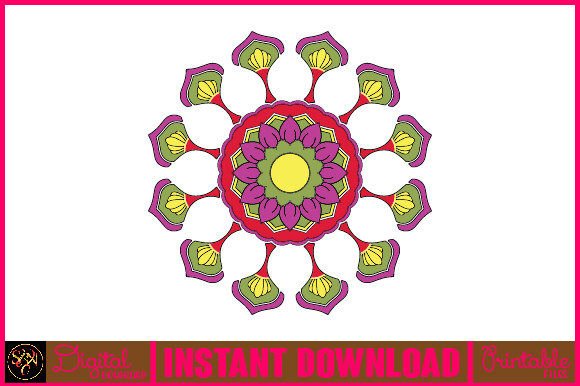
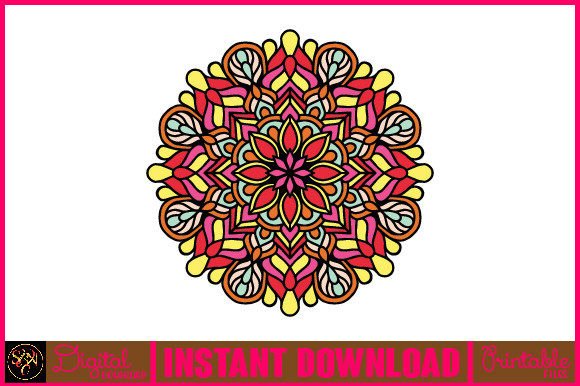
When I opened Mandala 3D Layered SVG Cut File-111, what struck me first wasn’t just the color—it was the rhythm. This isn’t a rigid, symmetrical mandala built for laser precision; it’s a hand-drawn colorful mandala with tribal ornament that breathes. The layers suggest depth without overcrowding, and the ornamental colorful mandala design carries warmth and intention—not just decoration. As an embroidery designer who’s stitched hundreds of mandalas for Etsy sellers, boutique aprons, and baby nursery sets, I immediately pictured this on a heavyweight organic cotton tote bag: centered, slightly oversized (4.5–5 inches), with soft satin-stitched petals and subtle running-stitch borders to echo the hand-drawn line quality.
Where It Shines: Real Projects That Feel Intentional
Mandala 3D Layered SVG Cut File-111 lands beautifully in projects where personality matters more than perfection. Think sweatshirt embroidery for a yoga studio’s staff gift—its tribal ornament reads as grounded and mindful, not generic. On a linen tea towel? Yes, especially when stitched in tonal ecru and charcoal thread: the layered structure holds up well in fill stitch without becoming muddy. For baby embroidery, I’d scale it down to 3.2 inches and simplify one inner layer (more on that below)—it adds gentle visual interest to a muslin swaddle without overwhelming delicate fabric or tiny wrists.
It also works quietly well as an embroidered patch. Because the design is built with clear layer separation, you can easily isolate the outer ring for a standalone border patch, or combine all layers for a bold center motif on a denim jacket. Small shop owners will appreciate how it elevates a plain cotton apron from functional to signature—especially when paired with a short custom phrase like “Made with Care” in a clean sans-serif running stitch beneath.
Where to Proceed Thoughtfully
This isn’t a one-size-fits-all machine embroidery design. Its charm lies in detail—and detail demands attention. On thin fabric like rayon challis or lightweight voile, the innermost elements may lose definition unless stabilized with tear-away + light cutaway. Stretchy fabric? Definitely test first: the outer tribal bands can distort if hooping tension isn’t even or if the design sits across a seam. And on dark fabric, avoid pale pastel thread combos—what reads as soft peach on white becomes nearly invisible on navy. Stick to high-contrast thread colors, or use a white underlay stitch where needed.
Caps and curved surfaces are tricky. The symmetry helps, but the topmost layer’s fine lines compress near the crown curve. I’d recommend using Mandala 3D Layered SVG Cut File-111 only on front panels of structured caps—not back straps or flexible snapbacks. For holiday embroidery or wedding gifts, consider simplifying one ornamental band before digitizing; dense stitch areas can trap lint or stiffen fabric over time, which matters for heirloom baby embroidery or frequently washed kitchen towels.
What It Adds to Your Finished Product—Beyond Aesthetics
Customers notice authenticity. Because Mandala 3D Layered SVG Cut File-111 feels hand-drawn—not algorithm-generated—it supports handmade presentation and brand consistency for craft businesses. When used thoughtfully, it signals care: in thread selection, stabilizer choice, and placement. That builds customer trust, especially for personalized gifts or Etsy listings where buyers pay a premium for perceived craftsmanship.
It also boosts giftability. A pillow cover with this mandala stitched off-center in muted jewel tones reads as curated, not mass-produced. Same for a holiday embroidery project—a linen stocking with Mandala 3D Layered SVG Cut File-111 at the cuff feels special without being fussy. And for digital product sellers, it’s strong design assets material: pair it with printable mockups showing light/dark fabric variations, and you’ve got a compelling bundle for fellow designers.
Practical Embroidery Designer Notes You’ll Actually Use
- Always test on scrap fabric first—especially with textured fabrics like terry cloth or bouclé, where stitch definition blurs faster than expected.
- Check thread color contrast before stitching full production runs. Print a black-and-white mockup to preview value shifts.
- Review stitch density in your embroidery software. If inner layers feel overly dense, reduce fill angle or add slight spacing—this helps breathability on baby embroidery or summer apparel.
- Confirm hoop size compatibility. While the file is SVG-based, your digitized version must fit your standard hoops—don’t assume 5x7 works without verifying layout.
- Inspect small details at 200% zoom: those tribal dots and fine lines should translate cleanly into satin or running stitch—not vanish into a blob.
- Use proper stabilizer: medium-weight cutaway for stable wovens; tear-away + topping for knits or nap fabrics.
- Verify licensing before selling finished items or digital products. Since Mandala 3D Layered SVG Cut File-111 is listed for printing purposes like t-shirts, confirm whether commercial embroidery rights are included—or if you need separate permission.
A Design That Earns Its Place—Not Just Fills Space
Mandala 3D Layered SVG Cut File-111 doesn’t shout. It invites closer looking. That makes it ideal for craft business owners who want their embroidered patch, tote bag design, or sweatshirt embroidery to reflect calm confidence—not trend-chasing noise. It’s equally at home in a slow-made nursery decor collection or a limited-run boutique branding suite. As a Graphics asset within the Crafts category, it bridges print and stitch beautifully—but only when treated with the same respect you’d give hand-painted ceramics or hand-bound journals. Use it intentionally, test it honestly, and let its layered spirit guide your next real-world embroidery project.