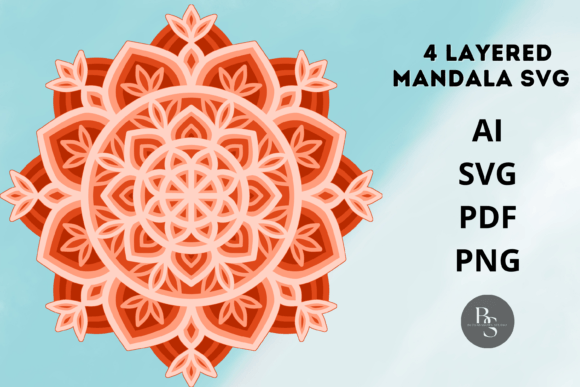
3D Layered Mandala SVG
A Designer’s First Look: Graceful, But Demands Intention
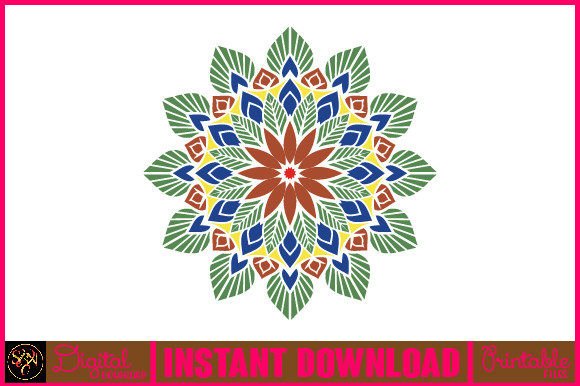
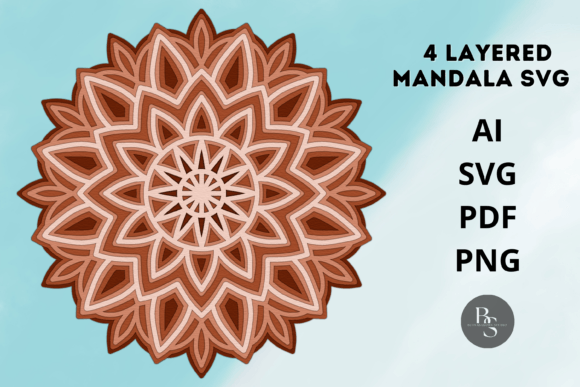
Opening the 3D Layered Mandala SVG file, I felt that familiar quiet pull — the kind you get when a design balances intricacy with calm. It’s not loud or trendy; it’s grounded in symmetry and layered rhythm. The “3D” effect isn’t literal depth, but visual dimension built through concentric rings, staggered line weights, and subtle overlapping motifs. As a designer who’s stitched hundreds of mandalas for baby onesies, boutique tea towels, and embroidered patches, I immediately saw its potential — and its boundaries. This isn’t a quick-embroider-on-a-t-shirt motif. It’s a statement piece that asks for thoughtful placement, fabric respect, and stitch discipline.
Where It Shines: Real Projects That Feel Intentional
I tested the 3D Layered Mandala SVG as the centerpiece for a custom organic cotton tote bag — the kind sold at local craft fairs and styled on Instagram by mindful lifestyle brands. Stitched with soft matte cotton thread and a medium-weight cutaway stabilizer, the layers resolved beautifully: outer rings held crisp satin stitch definition, inner flourishes stayed legible without bleeding, and the overall shape read as both meditative and modern. Customers paused longer at that tote. They touched the stitching. They asked about the story behind it. That’s the quiet power of this design: it elevates a handmade product without shouting.
It also translated well to a linen pillow cover (using fill stitch for broader zones and running stitch for delicate inner lines), and as a subtle chest embroidery on a heavyweight unisex sweatshirt — where the layered structure softened just enough against the knit texture to feel organic, not stiff. For Etsy sellers offering personalized gifts, this 3D Layered Mandala SVG works especially well for nursery decor (think framed hoop art or crib mobile accents) and wedding keepsakes like embroidered handkerchiefs or guestbook covers. Its symmetry reads as timeless, not dated — a real asset for small shop products meant to last.
Where It Needs Care: Fabric, Fit, and Function
This isn’t a one-size-fits-all embroidery file. On thin or loosely woven fabrics — like rayon challis or lightweight chambray — the denser inner layers risk puckering unless paired with precise stabilizer choice and reduced stitch density. I’d avoid it on highly stretchy knits (think performance tees or baby leggings) unless digitized specifically for stretch compensation — which this base SVG does not include. Likewise, curved surfaces like caps or beanies demand careful hooping and possibly manual repositioning between layers; the design’s radial balance can skew if tension isn’t perfectly even.
Small hoop sizes (5x7 inches) are possible, but only if you’re willing to split the design across two or three passes — and that adds time, alignment risk, and visible seams. For commercial embroidery, that’s a cost and consistency concern. Also, on dark fabrics, fine interior details may vanish unless you use high-contrast thread (e.g., cream on navy) or add a light underlay. And while it’s lovely on ceramics or laser-cut wood, remember: as a machine embroidery design, its strength lies in how clearly those layers translate *in thread* — not just on screen.
What It Adds to Your Craft Business — and What It Doesn’t
The 3D Layered Mandala SVG quietly raises perceived value. A customer paying $48 for an embroidered apron senses craftsmanship when they see defined layers and intentional spacing — not just a flat silhouette. It supports brand consistency for makers who lean into wellness, mindfulness, or slow-craft aesthetics. It also performs well in printable mockups: its clean vector origin means crisp digital previews for Etsy listings or social ads, helping buyers visualize before purchase.
But let’s be clear — it won’t speed up your workflow. This is not a “drop-in-and-stitch” embroidery file. It rewards attention: test it on scrap fabric first, check how thread colors interact across layers (a single hue can flatten the 3D illusion), confirm your hoop size matches the full layout, and inspect tiny corners under magnification. If you’re selling finished items, verify licensing terms — the product description mentions suitability for DIY and physical products, but commercial resale rights for digitally stitched goods should be confirmed directly with the seller.
Practical Notes from My Hoop Desk
- Always run a test stitch on fabric matching your final project — especially for texture and weight.
- Use a medium-to-heavy cutaway stabilizer for structured items (totes, aprons); tear-away works for stable wovens like tea towels.
- Review stitch density in your embroidery software — reduce fill density slightly in tight inner zones to prevent stiffness and thread breakage.
- Check contrast in black-and-white mockups — if layers blur together without color, simplify or adjust thread choices.
- Compare how it reads on light vs. dark backgrounds; some mandala motifs rely on negative space that disappears on black fabric.
- For baby embroidery or holiday embroidery, prioritize soft, certified-safe threads and gentle wash instructions.
- If using as an applique design, plan seam allowances carefully — the layered edges need clean, fray-resistant finishing.
Final Thought: A Design With Quiet Confidence
The 3D Layered Mandala SVG doesn’t chase trends. It holds space — for breath, for intention, for the quiet pride of making something meaningful. Used well, it becomes more than decoration. It becomes part of the story your customer tells themselves when they reach for that embroidered tote, wrap that baby in that linen blanket, or hang that pillow in their calm corner. As a designer and embroidery product reviewer, I don’t reach for this every day — but when I do, I know it’s for a project that deserves that extra layer of care. That’s the mark of a truly useful design asset.